 EU_Declaration_91064.pdf

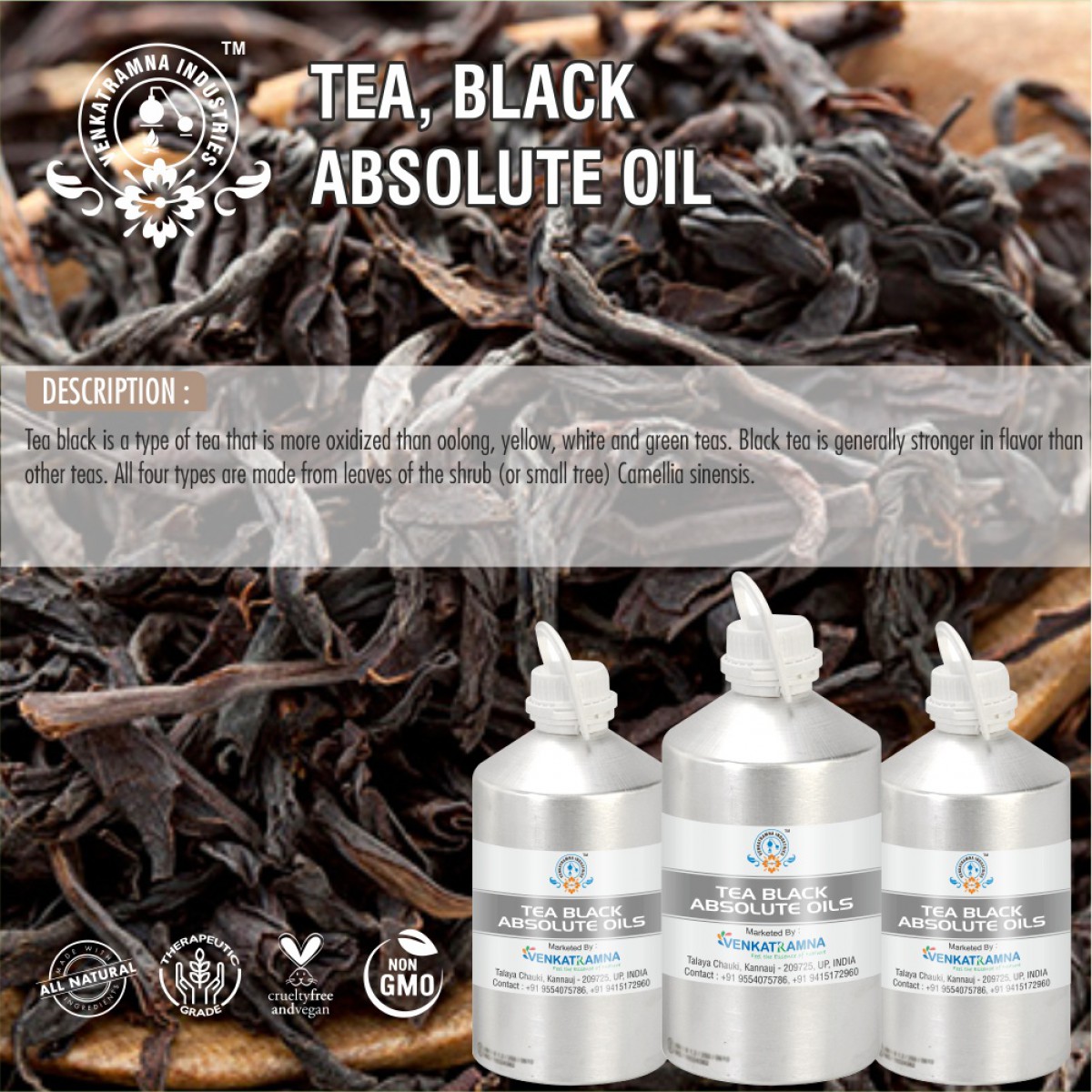

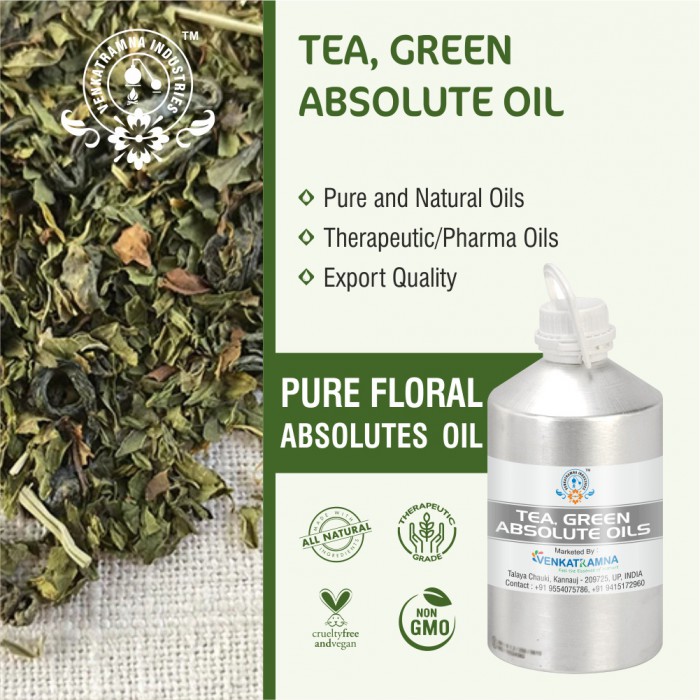
Botanical Name: Camellia sinensis Common name: Tea Plant, Tea, Green Tea, Black Tea Plant fa Read More
|
Botanical Name: |
Camellia sinensis |
|
Common name: |
Tea Plant, Tea, Green Tea, Black Tea |
|
Plant family: |
Theaceae |
|
Genus: |
Camellia |
|
Appearance/Color: |
Dark brown to brownish-green liquid |
|
Odor: |
Sweet, herbaceous, fresh, characteristic tea-like aroma |
|
Blends With: |
Ylang-ylang, Geranium, Bergamot, Rose, Vanilla |
|
Origin: |
East Asia; native to parts of China, India, Myanmar, and surrounding regions |
|
Source: |
Leaves and young shoots |
|
Method of Extraction |
Solvent extraction, supercritical CO? extraction |
Absolute oils are the essential oils which are highly concentrated and have high potency. These Concentrated absolute oils have high aromatic properties thus they are majorly preferred in cosmetics, perfumery, and aromatherapy. During the postproduction processes these oils are further concentrated to make their absolute.
Camellia sinensis leaf-derived preparations are widely used in cosmetic, personal care, wellness, and traditional herbal applications. Their properties and intended benefits may vary depending on the plant material, extraction method, concentration, formulation, and route of use.
Antioxidant: Rich in naturally occurring polyphenols, particularly catechins and flavonoids, which help protect formulations and skin from oxidative stress caused by free radicals.
Skin Conditioning: Used in cosmetic and personal care formulations to help maintain the skin in good condition and improve its overall appearance.
Soothing: Commonly incorporated into topical preparations intended to soothe the skin and reduce the appearance of temporary redness or discomfort associated with environmental stressors.
Astringent: The naturally occurring tannins and polyphenolic compounds provide mild astringent properties, making the ingredient suitable for toners, cleansers, and formulations intended for oily or combination skin.
Anti-Aging and Photoprotective Support: Used in cosmetic formulations designed to help reduce the visible signs of premature skin aging and support protection against oxidative damage associated with environmental exposure. It should not be considered a substitute for an approved sunscreen product.
Scalp and Hair Conditioning: Incorporated into shampoos, conditioners, scalp treatments, and hair-care preparations to support scalp care and help maintain healthy-looking hair.
Deodorizing and Refreshing: Used in personal care preparations for its characteristic botanical profile and its ability to contribute to refreshing and deodorizing formulations.
Fragrance and Aromatic Applications: Tea-derived aromatic extracts and volatile fractions may be used in perfumes, soaps, candles, diffusers, and other fragranced products to provide fresh, herbaceous, green, or tea-like aromatic notes.
Traditional Herbal Use: Camellia sinensis leaves have a long history of use in traditional preparations and beverages. Such traditional uses should be distinguished from clinically established therapeutic indications and authorized medicinal claims.
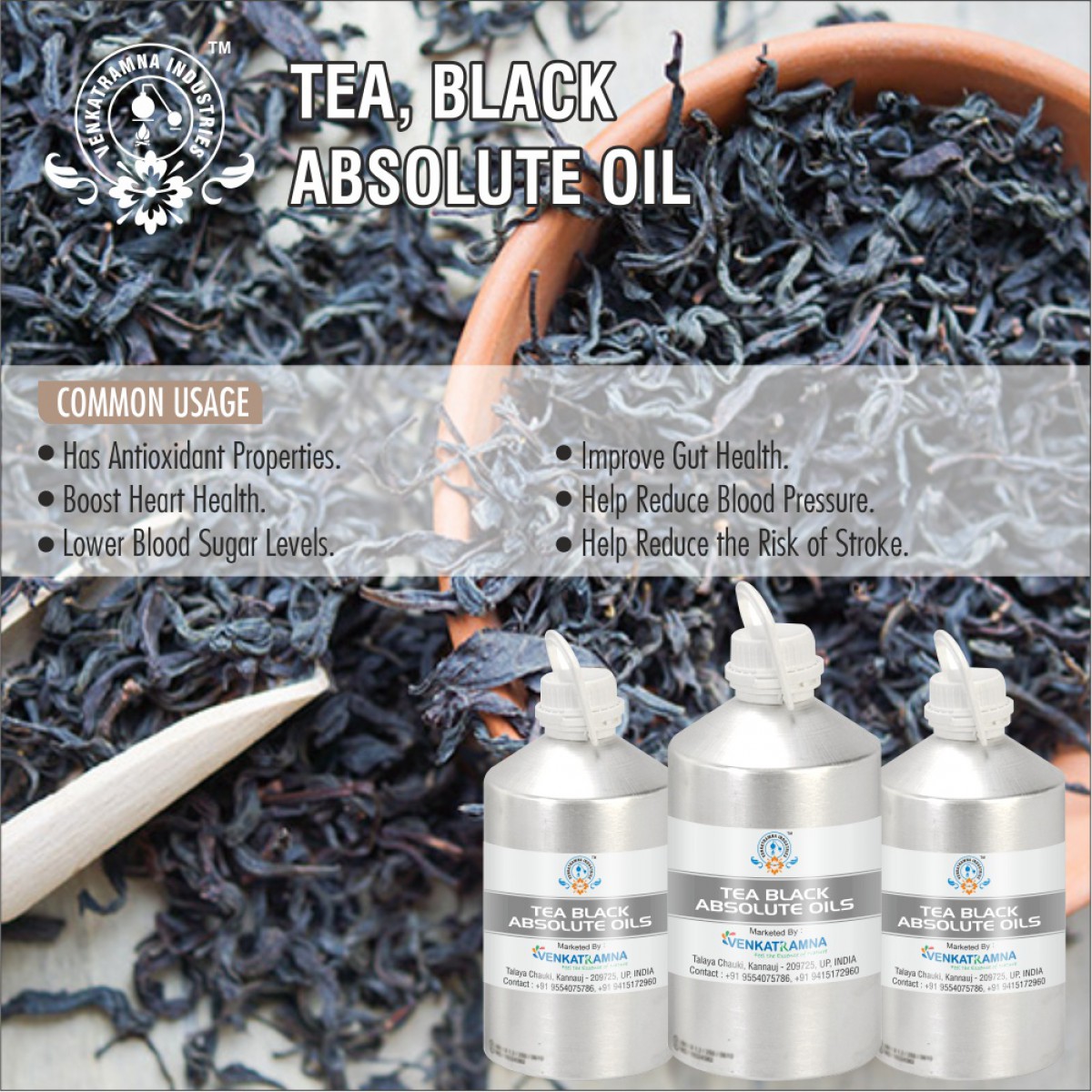
Common Usage
Camellia sinensis leaf-derived ingredients are commonly used in facial creams, lotions, serums, facial masks, toners, cleansers, soaps, shampoos, conditioners, scalp-care products, deodorizing preparations, perfumes, botanical blends, and other cosmetic and personal care formulations.
Tea leaves are also commonly prepared as infusions and beverages, including green tea, black tea, white tea, and oolong tea. Concentrated extracts may be incorporated into dietary supplements and other wellness products, subject to applicable regulatory requirements.
Ingredients:
|
S. No. |
Key Constituents |
Strength (%) |
|
1 |
Linalool |
5–20 |
|
2 |
Geraniol |
2–15 |
|
3 |
Benzyl Alcohol |
2–12 |
|
4 |
Phenylethyl Alcohol |
1–10 |
|
5 |
Linalool Oxides |
1–10 |
|
6 |
Methyl Salicylate |
0.5–8 |
|
7 |
Nerolidol |
0.5–6 |
|
8 |
Hexanal |
0.1–5 |
|
9 |
(E)-2-Hexenal |
0.1–5 |
|
10 |
Benzaldehyde |
0.1–4 |
|
11 |
Indole |
Trace–3 |
|
12 |
β-Ionone and Related Ionones |
Trace–2 |
|
13 |
Other Terpenes, Alcohols, Aldehydes, Esters, and Volatile Compounds |
q.s. to 100 |
TOXICOLOGICAL INFORMATION
Safety Summary
· Hazards skin sensitization.
· Cautions Old or oxidized oils should be avoided.
· Maximum dermal use level 15%
Systemic Effects
· Skin corrosion/irritation: No Additional Data Available.
· Reproductive toxicity: Not specified
· STOT-single exposure: Not specified
· STOT-related exposure: Not specified
· Interactive effects Not specified
· Aspiration Hazard: No Data Available
ECOLOGICAL INFORMATION
· Toxic to aquatic organisms, may cause long term adverse effects in the aquatic environment.
· Results of PBT and vPvB assessment
o PBT: Not applicable.
o vPvB: Not applicable.
· Persistence and degradability No further relevant information available.
· Bio-accumulative potential No further relevant information available.
· Mobility in soil No further relevant information available.